The first international trip is rarely complicated. It’s just unfamiliar.
And unfamiliar is a particular kind of stress. You can be perfectly capable and still feel like everyone else got a manual you didn’t.
If you’re somewhere in that pre-trip uncertainty, this is for you.
A note up front. The “first time” can happen at any age. I see midlife travelers take their first overseas flight all the time. Some are doing it solo for reasons they didn’t plan on. Others are doing it with a partner who’s been pushing for it for years. Both groups have the same underlying question: what should I actually expect?
The honest answer is that most of the stress around foreign travel doesn’t come from the process itself. It comes from uncertainty and the unknown.
Once you’ve done it once, you’ll be a pro. The second trip is a different exercise entirely.
So here’s the walkthrough I wish someone had given me before my first international trip.
Before You Go
The non-negotiables don’t change much from one country to the next. Here are the basic documents and tips you will need before your trip:
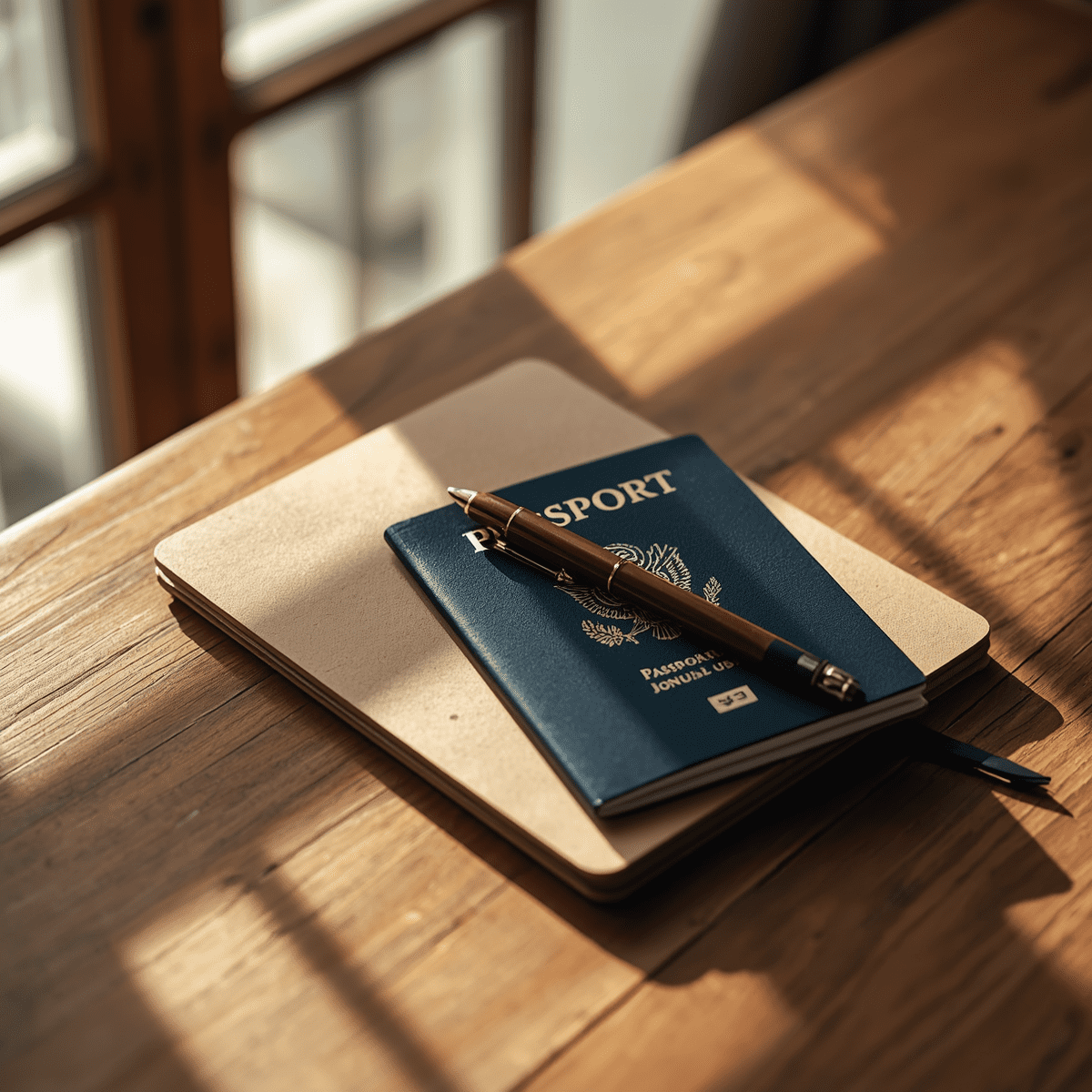
Passport
Most countries want at least six months of validity beyond your return date. A few are stricter. Check this before you book anything else, because passport renewal can take six to eight weeks and longer in busy seasons.
If you don’t have a passport yet, this is the first call. It’s the longest lead-time item on the list.
Visa or Entry Authorization
Some countries require a visa, an electronic travel authorization, or additional documentation for entry. Europe is rolling out the EES/ETIAS systems, and the U.K. now requires an ETA for U.S. travelers..
Always worth confirming early. Requirements change.
Entry Forms
Many destinations have arrival cards or pre-arrival paperwork. Some are simple online forms a few days before your flight. Others are filled out on the plane.
It isn’t complicated. It’s just a thing to know about so it doesn’t catch you off guard.
Health Requirements
Certain destinations may ask for proof of vaccinations or routine boosters. Yellow fever zones, for example. The CDC’s travel page is your friend here.
If you’re on prescription medications, plan a small extra supply for the trip and carry them in your original bottles. If you’re going somewhere with a different climate or altitude, talk to your doctor about whether anything else is worth thinking about.
STEP (Smart Traveler Enrollment Program)
The U.S. State Department’s free enrollment program. It allows the embassy to reach you in case of an emergency, and it sends you alerts about the country you’re visiting while you’re there.
Free and optional. The whole thing takes about three minutes.
Travel Insurance
Worth its own paragraph because it’s the most overlooked piece of the list. Domestic health insurance often doesn’t cover you while on an international trip, and medical evacuation is almost never included. A standalone travel insurance policy does, often for less than the cost of one nice dinner.
If you’re cruising, this is even more important. Medical situations on a ship can become very expensive very quickly.
A Few Practical Add-ons
A few small things to make your travels safer and easier include:
• Having a digital copy of your passport in a secure note on your phone.
• Having a backup credit card you keep separate from the one you use day-to-day.
• Setting up an international phone plan or eSIM before you leave.
• Keeping handy a small amount of local currency for the first cab or coffee, if your destination’s airport doesn’t have an easy ATM in the arrivals hall.

On Arrival
Every airport has its own quirks, but the flow looks similar almost everywhere. Here are the basic steps after arrival at a foreign airport:
Immigration
You’ll show your passport and answer a few simple questions about your trip. Why you’re visiting and where you’re staying, mostly. The whole exchange takes about a minute.
If your trip has a connecting flight to your final destination country, you may go through immigration in that country rather than the connection city. The signage will tell you.
Baggage Claim and Customs
Baggage claim works the same as it does at home. From there, you walk to customs.
Sometimes you walk straight through with nothing to declare. Sometimes there’s a quick form or a bag check. Either way, you’re on to the actual trip in not very long at all.
A small thing worth knowing. Some countries take agricultural rules very seriously. Don’t bring fresh produce or wooden items unless you’ve checked.
Getting to Where You’re Staying
Transportation that you arrange in advance is worth its weight in gold on the first international trip. The very last thing you want after a 10-hour flight is to be in a cab line you can’t read in a currency you haven’t converted.
Either an arranged transfer through your hotel or a known service set up in advance will save you the moment when you most don’t want to think.

Coming Home from an International Trip
Logistically the easiest part. Emotionally, sometimes the hardest.
You’ll go through immigration and customs again when you re-enter the U.S. Mobile Passport Control or the standard line, whichever you have set up. If you’re connecting to another flight afterward, you’ll go back through security as well, so empty that water bottle.
Global Entry Is Worth It
Global Entry is one of the few extras that genuinely earns its keep. It cuts re-entry from sometimes long lines to a 30-second kiosk. The application takes some time, but if you plan to travel internationally more than once, it pays for itself fast.
It also includes TSA PreCheck, which makes the entire domestic-to-international travel day shorter and calmer.
What Many People Don’t Realize Until Afterward
The thing that makes international travel feel hard is almost never the travel itself. It’s the part where you don’t yet know what to expect.
Once you’ve done it once, you’ve done it. The flow becomes muscle memory. The is-this-normal feeling fades. The next time, you’re already an experienced traveler.
The first trip is also the one that decides whether you become someone who travels internationally regularly. It’s worth setting up well, because the way it lands stays with you.
That’s part of what I help clients with. The logistics aren’t where the magic is. They’re the floor that lets the trip actually happen the way you imagined it.
What I Help Clients Sort Out
Most people who reach out for a first international trip aren’t asking me to book it. They’re asking me to make sure nothing falls through.
I look at your itinerary against your actual travel style, confirm the documentation and the timing, and I check the connection windows that look fine on paper but aren’t. Then I make sure your insurance is real coverage and not a sticker. And when something goes sideways at 2 a.m. in Lisbon, you have someone to call.
For someone planning their first journey abroad, especially at midlife or in a transition where doing it all yourself isn’t the goal, that kind of partnership is worth reaching out for.

P.S. If you found this useful, The Travel Documents Checklist Most People Don’t Think About Until It’s Too Late is the practical companion piece, with the document-by-document version of this list.


