If you’re flying halfway around the world, the biggest investment isn’t always the cost of the trip.
It’s the time.
Long flights, jet lag, and the mental effort of getting somewhere far all add up. And once you’ve made that investment, the question becomes less about where else can we go and more about how do we make this trip feel worth it.
That’s where thoughtfully paired itineraries come in. Not as a way to do more, but as a way to travel better.
Why Pairing Destinations Can Make Practical Sense
When travelers hear “two destinations in one trip,” they often picture rushed schedules or constant packing and unpacking. That’s a fair concern. Poorly planned trips can feel exactly like that.
Well-planned journeys, however, usually solve very real problems.
Paired travel itineraries are often most effective when they:
- Make a long-haul flight feel more worthwhile
- Balance active days with recovery time
- Reduce the pressure to see everything in one place
- Create contrast that keeps a longer trip from feeling repetitive
Timing also plays a larger role than most people expect, which is why thoughtful itinerary timing can quietly change how a trip feels from start to finish. For travelers with the opportunity and resources to travel farther or longer, pairing destinations is often about using that opportunity wisely.
Land and Sea: A Natural Combination
Cruise and coastal travel are especially well suited to pairing because the structure already exists.
Cruises begin somewhere. They end somewhere. And those endpoints are often destinations worth slowing down for. Adding time on land before or after a cruise can:
- Help you ease into the trip before embarkation day
- Cushion the transition home instead of rushing straight to the airport
- Allow you to experience a destination without a ship schedule dictating every hour
This is not about extending a trip for the sake of it. It’s about smoothing the edges.
Practical Pairings That Show the Value
Here are a few examples of how pairing works in real travel planning.
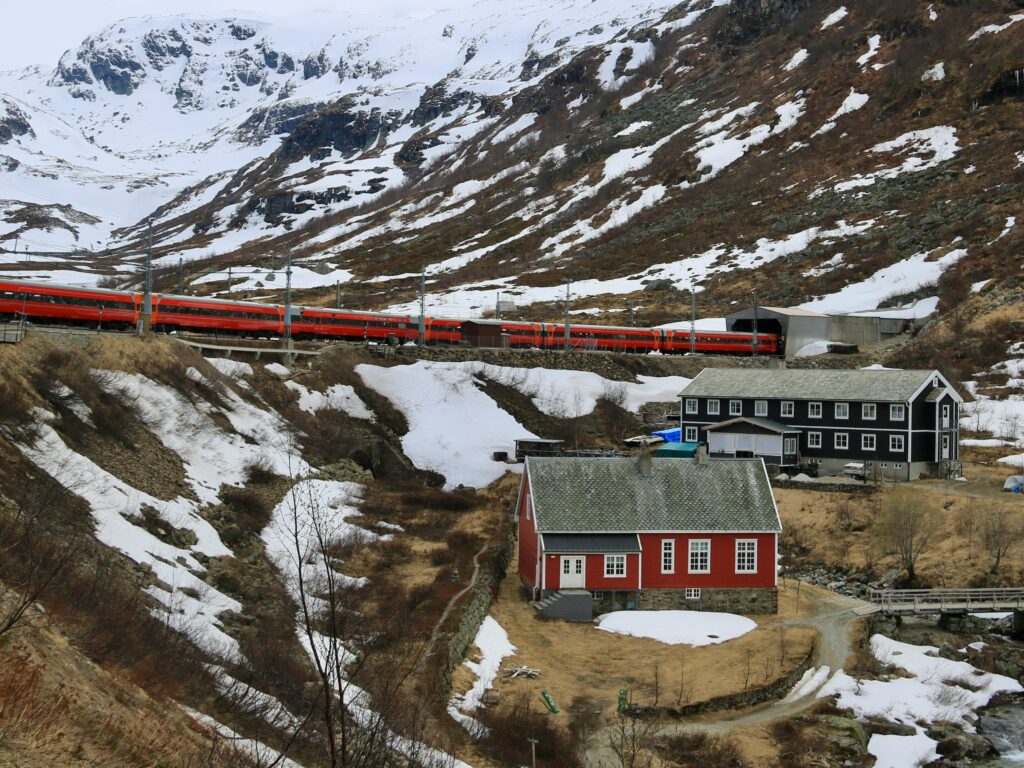
A Northern Europe Cruise Paired with Scenic Rail
Northern Europe cruises cover a lot of ground visually. Fjords, historic ports, and dramatic coastlines arrive one after another. It’s stunning, but it can also be stimulating.
Pairing a cruise with a short rail journey afterward changes the feel of the trip.
Instead of waking up in a new port each day, you settle into one region. You watch landscapes unfold slowly, you unpack once, and you process what you’ve already seen. For travelers who enjoy scenery but don’t want constant movement, this pairing adds depth without adding stress.
A Mediterranean Cruise with a Coastal Stay
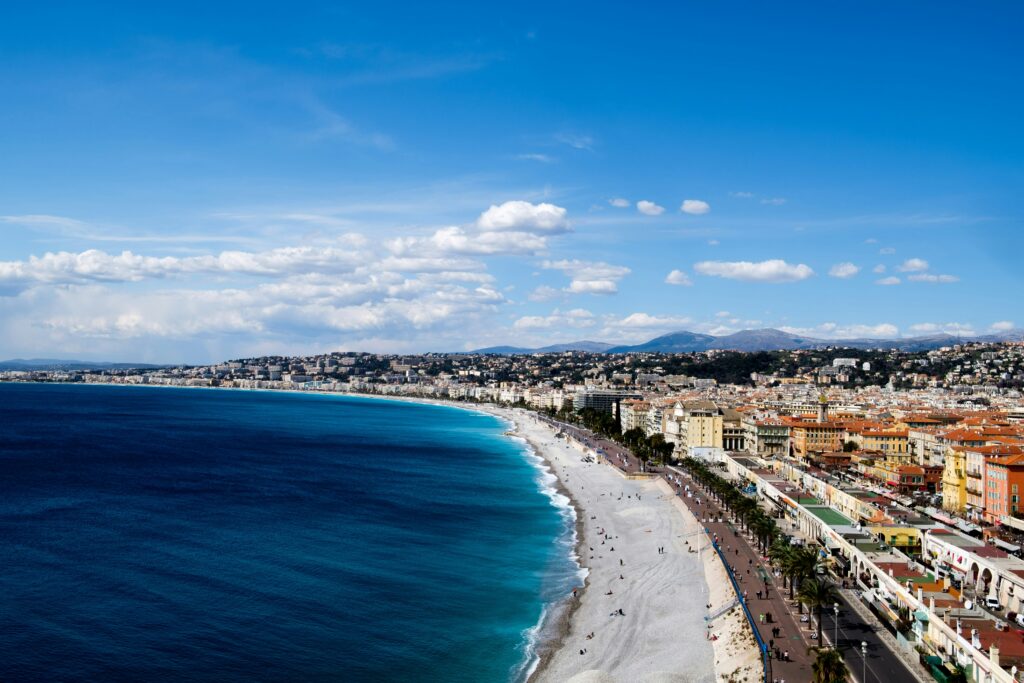
Mediterranean cruises are rich experiences, but port days can be full. Early mornings, popular sights, and structured schedules are part of the deal.
Adding a coastal stay after the cruise creates contrast. A few days in a quieter seaside town allows travelers to:
- Sleep in without watching the clock
- Enjoy meals without reservations tied to embarkation times
- Experience local life beyond the most visited sites
Instead of feeling like the cruise ended abruptly, the trip winds down gradually. That difference matters, especially on longer itineraries.
Rio de Janeiro as a Cruise or Coastal Extension
Rio is often viewed as a destination that requires a major commitment. In reality, Rio is a good example of how coastal destinations that pair well with cruises can add cultural depth without overwhelming the rest of the itinerary.
For travelers already sailing along the South American coast, or those comfortable with a short extension, Rio offers:
- Iconic scenery without long internal transfers
- Cultural depth in a compact area
- A coastal anchor that keeps the experience grounded
Paired thoughtfully, Rio becomes approachable rather than overwhelming.

Why These Trips Feel More Satisfying
Travelers who choose paired itineraries often return with a similar observation: the trip felt full, but not exhausting. That usually comes down to pacing. Active days balanced with quiet ones, structure paired with flexibility. movement followed by stillness.
These aren’t accidents. They’re planning decisions.
This is where design matters.
Pairing destinations isn’t about adding more stops. It’s about understanding:
- How long it takes to truly settle into a place
- Where recovery time belongs in an itinerary
- Which transitions are seamless and which are disruptive
Those details rarely show up in online or AI-generated itineraries, but they shape the entire experience. Decisions like these are often shaped by how different travel styles affect trip design, which is something I spend a lot of time unpacking with clients early on.
If you have the time and resources for a longer journey, composing it well makes the difference between a trip that looks impressive and one that actually feels good while you’re there.
If you’re curious whether a paired itinerary makes sense for the way you like to travel, I’d be happy to talk it through with you.


Proudly powered by WordPress
