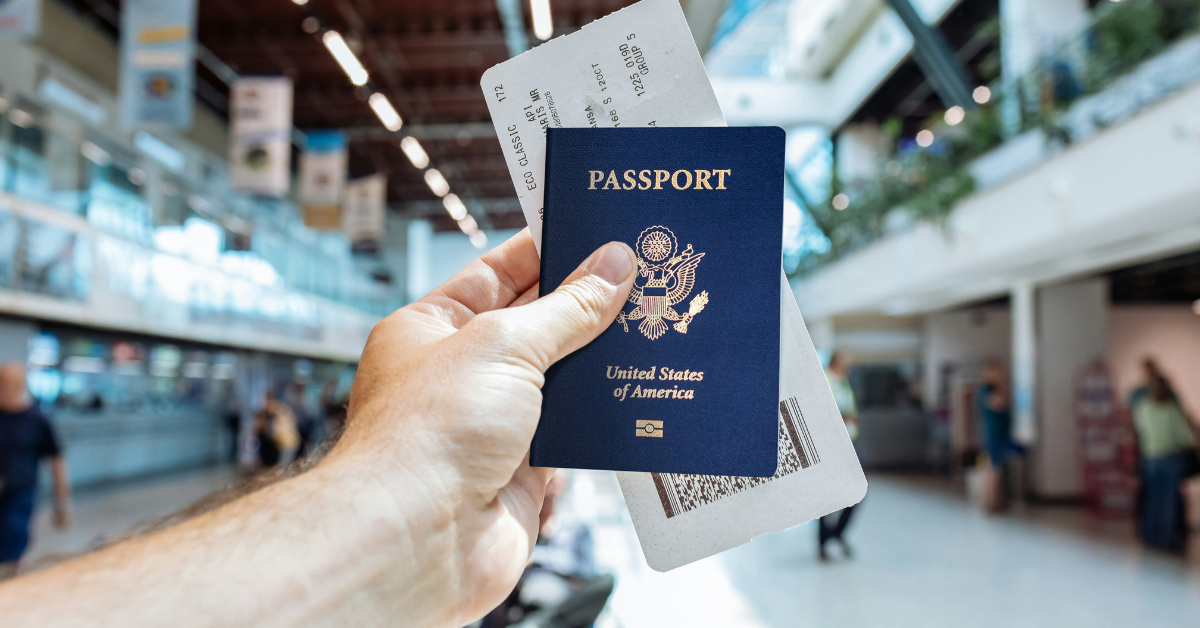
Most travel stress doesn’t come from the trip itself. It comes from a small, overlooked detail that suddenly becomes a very big problem at the airport. That’s why an international travel documents checklist is essential to ensure a smooth journey.
A passport that’s technically valid (but not valid enough). A visa requirement you didn’t know existed. A form you discover while frantically searching your email in line.
These issues are far more common than most travelers realize, and they can derail even the most thoughtfully planned trip.
This checklist isn’t meant to scare you. It’s meant to help you travel with confidence, knowing the unglamorous but essential details are handled before you leave home.
1. Passport Validity (Not Just Expiration)
Many travelers assume a passport is fine as long as it hasn’t expired. Unfortunately, many countries disagree.
A common requirement is six months of validity beyond your return date, along with at least one or two blank pages. Airlines and border officials do not make exceptions, even if the rule feels arbitrary.
What to check:
- Expiration date relative to your return
- Number of blank pages
- Name consistency with airline tickets
If your passport expires “soon-ish,” it’s worth addressing early.
2. Visas, Entry Authorizations, and Digital Forms
Visa requirements are no longer limited to stamped pages and embassy visits. Many destinations now require electronic authorizations, pre-arrival forms, or online registrations that must be completed before departure.
These requirements can change quietly and without much notice.
What to check:
- Visa or ETA requirements for your passport
- Required entry or health forms
- Submission timelines and approval turnaround
This is especially important for international cruises, where requirements may apply to each country visited, not just your final destination.
3. REAL ID and Domestic Travel Rules
Even if you’re not traveling internationally, identification still matters.
REAL ID requirements continue to evolve, and not all state-issued IDs meet current standards. Without proper identification, domestic travel can become complicated quickly.
What to check:
- Whether your ID is REAL ID–compliant
- Backup identification options
- Airline-specific requirements
4. Health Documentation and Vaccination Requirements
Some destinations require proof of vaccination or health documentation, while others strongly recommend certain precautions.
Without the proper paperwork, travelers can be denied boarding or entry.
What to check:
- Destination-specific health requirements
- Recommended vaccines and timelines
- Documentation formats accepted
5. Medications and Prescription Restrictions
Medications that are legal in the U.S. may be restricted or prohibited in other countries, including certain prescription narcotics and stimulants.
What to check:
- Medication restrictions at your destination
- Original labeled containers
- Copies of prescriptions or doctor’s notes if required
This step is often overlooked and surprisingly important.
6. Traveling With Children (Even When Both Parents Aren’t Present)
When traveling with minors, documentation requirements can be more complex than expected.
Some countries require notarized consent letters when a child is traveling with only one parent or guardian. Yes, even when the other parent is aware and supportive.
What to check:
- Entry and exit requirements for minors
- Custody documentation if applicable
- Whether notarized consent letters are recommended
7. Credit Cards, Currency, and Payment Access
Not every destination is fully contactless, and not every card works seamlessly abroad.
Relying solely on one payment method can lead to frustrating situations.
What to check:
- Foreign transaction fees
- Card acceptance at your destination
- Access to local currency when needed
8. Driving Abroad and Rental Requirements
In many countries, a U.S. driver’s license alone is not sufficient.
You may need an International Driving Permit (IDP) and additional insurance coverage to legally rent or operate a vehicle.
What to check:
- Driver’s license requirements
- IDP rules
- Insurance requirements
Why This Checklist Matters More Than You Think
Most of these issues don’t feel urgent until they are.
Taking time to review documentation early prevents last-minute stress and protects the investment you’ve made in your trip. This is where thoughtful planning makes the biggest difference.
For travelers weighing complex itineraries, international cruises, or multi-country trips, understanding requirements early can also influence decisions about routing, pacing, and travel style.
Travel With Fewer Surprises
If this checklist feels overwhelming, that’s understandable. Requirements change, rules vary by destination, and the stakes can feel high.
This is one of the reasons many travelers choose to work with a travel advisor. Having someone monitor requirements, flag changes, and guide you through the details allows you to focus on the experience rather than the paperwork.
If you’re planning an international trip and want help making sure nothing important is missed, I’m happy to help you travel with confidence.


Proudly powered by WordPress
